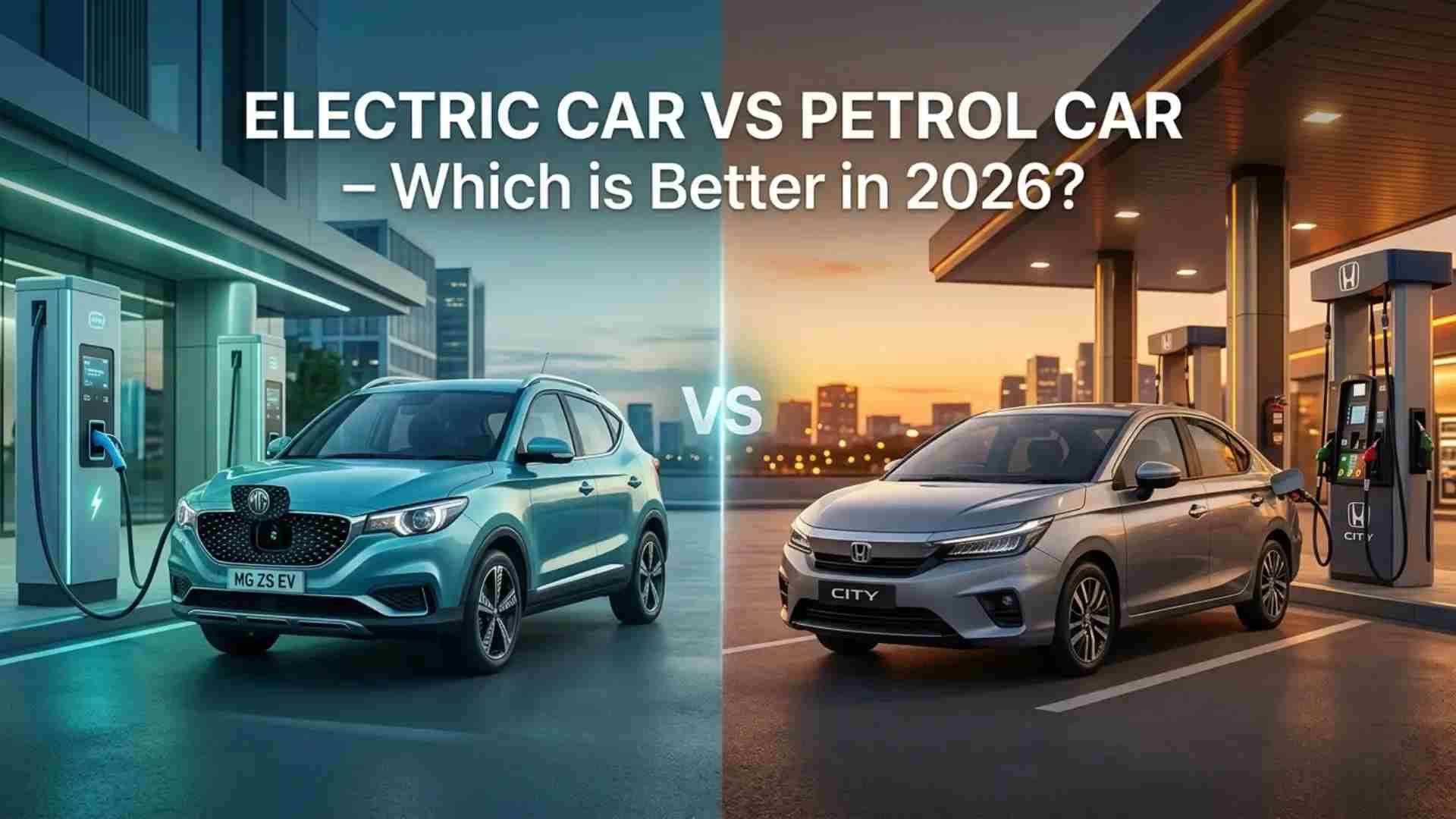
Electric Car vs Petrol Car: Which is Better in 2026?
You’re standing in our showroom, keys in hand, and the big question hits you: should I buy electric or petrol car in 2026? We hear this almost every day at Modi Auto Group. And honestly, it’s a fair question. With fuel prices doing their usual dance and EV charging stations popping up across India, the electric car vs petrol car India debate has never been more relevant.
What Makes a Dealership Actually "Authorized"?
Not every showroom with nice lighting and salespeople in suits is legit. An authorized car dealership has official manufacturer approval. It’s like a franchise, but with way stricter rules about pricing, paperwork, and customer service.
Here’s what that means for you:
- Your documents are verified, not just “probably fine”
- Prices follow manufacturer standards, not random markups
- Sales staff are actually trained by the brand
- Someone’s accountable if things go wrong
When you’re buying from an unauthorized dealer and something breaks? Good luck getting help from someone who wasn’t even supposed to be selling that brand.
Running Costs: Where EVs Quietly Win
Lower Cost Per Kilometer
If you’re focused on savings, electric cars usually take the lead. Charging an EV at home costs significantly less per km compared to petrol. With petrol hovering around ₹100+ per litre in many cities, that adds up fast. Over five years? The savings can surprise you.
A customer once calculated his daily commute in a petrol sedan—around ₹3,500 per month just on fuel. He switched to an EV. That dropped to under ₹1,200. Same distance. Less money. That’s one of the strongest electric car benefits India buyers talk about.
Maintenance Differences
EVs have fewer moving parts. No engine oil. No clutch. No exhaust system. So routine maintenance is simpler. With something like a petrol car, you’ll still have regular servicing—oil changes, filter replacements, spark plugs. It’s not expensive, but it’s ongoing.
On the other hand, EVs reduce mechanical wear. Brake pads even last longer because of regenerative braking. So in the electric car vs petrol car India discussion, running cost clearly leans towards electric. But cost isn’t everything.
Driving Experience: Smooth vs Familiar
Instant Torque vs Traditional Feel
Drive an electric car once, and you’ll notice it immediately. Instant torque, silent acceleration, no gear shifts. It feels different in a good way. But some drivers still love the familiar hum of a petrol engine. The gradual acceleration. The sound. There’s something nostalgic about it.
So when someone asks, “EV vs petrol car, which is better for driving feel?” They should test drive both. Your hands will know before your brain does.
Range Anxiety: Real or Overhyped?
This is the most common concern. “What if the battery dies?” Fair question.
In 2026, most EVs offer 300–500 km of real-world range. For city use, that’s more than enough. But if you’re someone who regularly drives long intercity routes, petrol still offers quicker refueling. Five minutes at a pump versus 45 minutes at a fast charger. That’s the difference.
Charging infrastructure has improved, though. According to NITI Aayog and the Ministry of Power, India continues expanding public charging stations across highways and metro cities. You can check official updates on sites like powermin.gov.in. Still, planning matters more with EVs. With petrol cars, you don’t think twice. And that’s worth considering.
Upfront Cost: The Price Tag Reality
Let’s be honest. EVs can cost more upfront. Even after FAME subsidies and state incentives, the initial purchase price of an electric vehicle may be slightly higher than a comparable petrol car.
For example:
- A petrol vehicle sits in a very accessible budget bracket.
- An electric vehicle with similar space might cost more initially.
But over time, lower fuel and maintenance costs balance things out. This is where your ownership timeline matters.
Planning to keep the car for 7–8 years? EV savings start making real sense.
Planning to upgrade in 3 years? Petrol might feel safer financially.
So when you’re weighing an electric car vs a petrol car in India, don’t just look at sticker price. Look at the total cost of ownership. And yes, we’re happy to calculate that with you in the showroom.
Environmental Impact: Does It Matter to You?
This part is important. Electric cars produce zero tailpipe emissions. In congested cities, this directly reduces local pollution. Cleaner air. Less noise. Fewer fumes at traffic lights.
Petrol cars, even with improved BS6 norms, still emit CO₂ and pollutants. Now, some argue that electricity generation still relies on coal. True. But India’s renewable energy capacity is growing steadily. Solar and wind are increasing year after year.
So from a long-term sustainability angle, EVs are moving in the right direction. If you’re someone who values lowering your carbon footprint, that could influence your decision. And if it doesn’t? That’s okay too. Practical needs come first.
Convenience and Lifestyle Fit
If You Live in an Apartment
Do you have dedicated parking with charging access? If yes, EV ownership becomes easy. Charge overnight. Wake up full. Done. If not, relying entirely on public chargers can feel inconvenient, especially in smaller cities.
If You Drive Mostly in City Traffic
Electric. Hands down. Stop-and-go traffic actually helps EV efficiency because of regenerative braking.
If You Frequently Drive Long Distances
Petrol still offers flexibility. You won’t worry about charger availability in remote areas. Just refuel and continue. This is where the electric vs petrol car comparison becomes very personal. There’s no universal winner. Only what fits your daily routine.
So, Should You Buy Electric or Petrol Car in 2026?
Here’s honest advice.
Choose electric if:
- You drive mostly within city limits
- You have home charging access
- You plan long-term ownership
- You want lower monthly fuel expenses
Choose petrol if:
- You travel long distances frequently
- Charging access is uncertain
- You prefer lower upfront cost
- You value quick refueling convenience
Final Thoughts: Let’s Find What Fits You
The electric car vs petrol car India debate isn’t about right or wrong. It’s about what fits your daily life in 2026. EVs are practical, cost-effective, and cleaner—especially for city driving. Petrol cars remain dependable, flexible, and widely supported across India. Both have strengths.
If you’re still unsure, that’s normal. Come by Modi Auto Group. Ask us the tough questions. We’d rather you take an extra week to decide than regret it later. Because at the end of the day, it’s not just about buying a car. It’s about driving something you’ll feel good about every single morning.
Frequently Asked Questions
Electric car vs petrol car India: which is cheaper to run?
Electric cars usually cost less per kilometer because charging them is cheaper than filling them up with gas. They also don’t need as much care.
Should I buy an electric or petrol car in 2026?
An EV is a good choice if you mostly drive in the city and can charge it. Gasoline cars are still useful for people who drive on the highway a lot.
EV vs petrol car which is better for daily commuting?
For city commutes, EVs often work better thanks to lower running costs and smooth driving in traffic.
What are the main electric car benefits India buyers get?
The best things about them are that they cost less to fuel, need less maintenance, and don’t pollute the air.
Is charging an electric car difficult in India?
Charging infrastructure is improving in many cities, but availability can still vary depending on your location.